
🔒 Beyond the Lock: The Critical Need for an Irrefutable LOTO Audit Trail In the regulated environment of Australian mining, compliance with LOTO standards (like those referenced in the WHS Regulations) is not optional—it’s a legal and ethical imperative. A critical component of this is maintaining a detailed, accurate, and tamper-proof audit trail for every single isolation procedure. Traditional paper registers are easily lost, damaged, or suffer from inaccurate entries, creating significant liability during an audit. How can you confidently prove who isolated a circuit, when they did it, and that all steps were followed before re-energization? Navigating the Australian Regulatory Landscape To achieve true SafeWork Australia Compliance, businesses must align with the Managing Risks of Plant Code of Practice, which is admissible in court as evidence of what is “reasonably practicable.” In Western Australia, this is reinforced by the WHS (Mines) Regulations 2022, specifically r. 210 through 213. Regulation 210 is particularly critical, as it requires PCBUs to ensure operator controls can be locked in the “off” position to enable the disconnection of all motive power. Because WorkSafe inspectors utilize strict tools like the Isolation of Hazardous Energies: Audit Guide, having a digitized system isn’t just a convenience—it’s a robust defense that proves you’ve met the specific plant operational control clauses required by law. Compliance Confidence with Smartlox Digital Lockout-Tagout Smartlox Digital Lockout-Tagout fundamentally transforms compliance by automating record-keeping. Every step of the LOTO procedure—from placement to removal—is automatically logged and time-stamped in the secure cloud platform. Key Compliance Advantages of Smartlox: Irrefutable Digital Audit Trails: Provides undeniable proof of compliance for safety inspections and regulatory checks. Eliminates Human Error: Digital sign-offs and guided procedures ensure correct sequence adherence every time. Real-Time Data: Safety managers gain 360° visibility, instantly checking the status of any isolation from a central dashboard, a feature simply impossible with physical keys and paper. Stop worrying about misplaced paperwork. The robust digital platform of Smartlox Digital Lockout-Tagout ensures you meet and exceed stringent mining industry safety standards with effortless, auditable data.
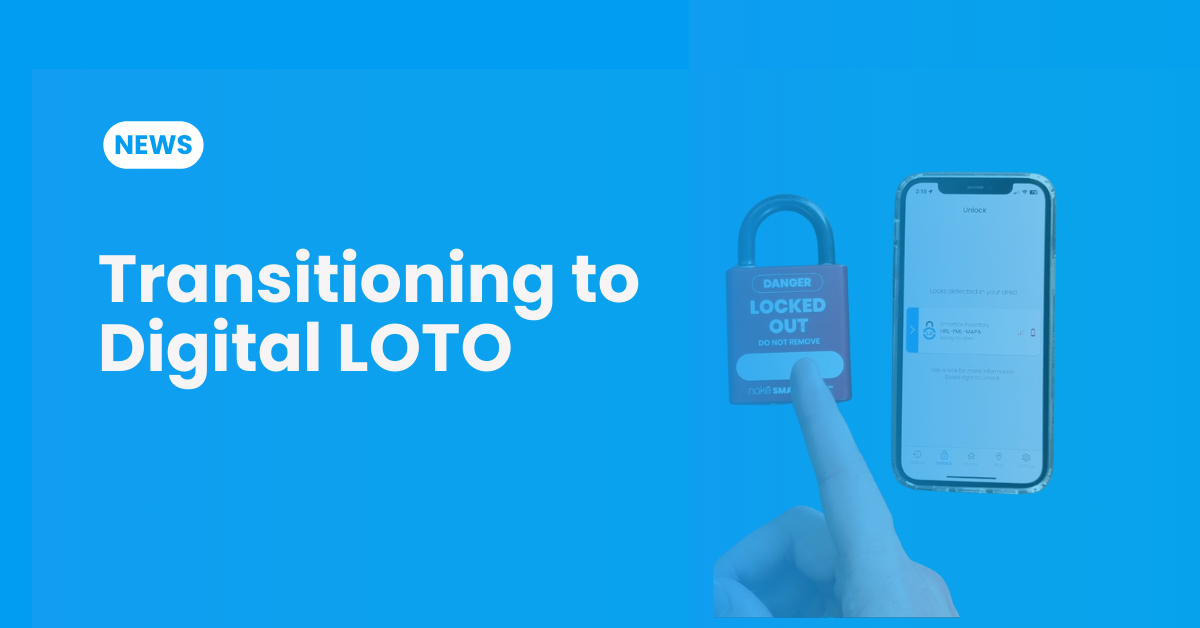
The Future of Workplace Safety: Transitioning to Digital Lockout-Tagout Systems
Transitioning to Digital Lockout-Tagout Systems In the world of industrial, mining, and manufacturing, controlling hazardous energy is a life-saving necessity. For decades, traditional Lockout-Tagout (LOTO) practices have remained largely unchanged since the 1980s. However, as operations become more complex, these manual methods are showing their age — often proving to be time-consuming, error-prone, and costly. Modern technology is finally offering a solution. By leveraging cloud computing, Bluetooth, and mobile devices, businesses can now implement Digital Lockout-Tagout systems to enhance safety and efficiency. Why Go Digital? Digital LOTO systems represent a complete overhaul of safety management. Key benefits include: Enhanced Accountability: Every action is electronically recorded, ensuring all participants are individually identified. Improved Visibility: Real-time data provides all participants with up-to-date information, ensuring perfectly coordinated safety activities. Reduced Costs: Digital systems eliminate the need to cut or replace lost locks and dramatically reduce setup time for complex group lockouts. Greater Flexibility: Software-based tools enable safety procedures to better match a business’s specific maintenance needs. How It Works: The Virtual Lockbox At the heart of a Digital LOTO system are four main components: an electronic lockout device (a Bluetooth padlock), a mobile app, SmartTags, and cloud services. The most revolutionary feature is the Virtual Lockbox. In a traditional setup, workers place physical keys into a physical box and snap their personal locks onto it. In a digital system: An authorized employee locks the equipment using an electronic padlock and a digital key. That digital key is placed in a Virtual Lockbox in the cloud. Every worker involved then applies a Virtual Personal Lock to that lockbox via their smartphone. The digital key remains encrypted and inaccessible until every worker has removed their virtual lock, ensuring no one can re-energize the machine while someone is still working. Meeting Regulatory Standards One of the biggest questions for safety managers is whether digital systems meet strict regulatory requirements, such as those from OSHA. The Digital LOTO system is designed to meet the intent of OSHA 29 CFR § 1910.147. By using individual authentication and encrypted keys, these systems provide a level of protection equivalent to, or even greater than, traditional physical locks. Digital records also make it easier for management to oversee compliance and maintain the “authorized employee” hierarchy required by law. Summary The transition to digital is more than a technical upgrade; it’s a commitment to a more transparent and reliable safety culture. By moving away from manual, paper-based records and physical key management, companies can reduce operating costs while providing their most valuable asset — their workers — with the highest level of protection available. Want to learn more? Check out our whitepaper on Digital Lockout-Tagout: SL-WP-3-02-V2

The Digital Transformation of Mining Safety: Why Paper LOTO Fails
⛏️ Out with the Old: The Pitfalls of Traditional Paper-Based LOTO in Mining For decades, the standard Lockout-Tagout (LOTO) procedure—using physical locks, paper tags, and manual sign-off sheets—has been the foundation of hazardous energy control in the mining sector. While essential, this analog approach is a major vulnerability, especially in the vast, high-risk environments of modern mine sites. The consequences of manual LOTO are well-documented: Human Error: Misplaced tags, illegible handwriting, or forgotten sign-offs can lead to catastrophic re-energization. Audit Headaches: Compliance and record-keeping become an administrative nightmare, making it near-impossible to generate an irrefutable audit trail for SafeWork Australia or other regulators. Operational Drag: Group lockouts require cumbersome lockboxes and physical key exchanges, leading to wasted time and unnecessary downtime. https://youtube.com/shorts/N6DA5Mr3MSk The Smart Shift: Introducing Smartlox Digital Lockout-Tagout The time for a safety upgrade is now. Smartlox Digital Lockout-Tagout is a hardware-enabled digital solution specifically designed to address the unique challenges of the mining industry. It replaces outdated paper trails and clunky lockboxes with a seamlessly connected system, ensuring complete control and visibility over your lockout processes, all the way to the lock. With a simple, user-friendly mobile application and smart, rugged hardware, Smartlox eliminates the common failures of traditional LOTO, paving the way for a safer, more efficient, and fully compliant operation. Ready to ditch the clipboard? Explore how Smartlox Digital Lockout-Tagout is redefining hazardous energy control for the modern miner. https://smartlox.io/mining/

Digital LOTO for Mining
Mining Safety: Lockout-Tagout and the Digital Frontier Lockout-Tagout (LOTO) is a cornerstone of industrial safety in the Australian mining industry. With its massive, complex machinery, vast and remote sites, and harsh operating environments, mining presents unique and critical challenges for controlling hazardous energy. LOTO, at its core, is a mandatory procedure that requires equipment to be shut down, isolated, and de-energized before maintenance or servicing work begins. This is required under Safe Work Australia’s regulations to prevent the unexpected start-up or release of stored energy that could cause serious injury or death. The Essentials of Traditional LOTO on Australian Mine Sites Traditional LOTO relies on physical devices to secure energy-isolating points. In an Australian mine, this procedure is vital for equipment like: Conveyors, Processing Plants, and Crushers: Preventing unexpected motion or belt start-up. Ventilation Systems: Ensuring fans and motors remain isolated during shaft or vent maintenance. Heavy Earth-Moving Equipment (Haul Trucks, Excavators): Securing the engine and hydraulic systems. Electrical Switchgear and Distribution Boards: Isolating high-voltage power sources. The LOTO Protocol: Meeting WHS Obligations The process aligns with Australian Work Health and Safety (WHS) requirements, including these essential steps: Preparation: Authorized employees are notified, energy sources are understood, and required isolation points are clearly identified (often documented in a Permit-to-Work system). Isolation & Shutdown: The equipment is stopped using its normal controls, and the energy-isolating device (e.g., a breaker or valve) is physically operated. Lockout-Tagout: A personal lock (unique to the worker) and a Danger Tag (providing details like the worker’s name and reason for isolation) are applied to the isolating device. Stored Energy Control: Any potentially stored energy (e.g., pressure, gravity, capacitors) is safely relieved or restrained. Verification (The “Try Test”): The worker attempts to start the machine to verify that the isolation is fully effective before commencing work. 💻 The Evolution: Digital Lockout-Tagout While physical locks and tags are the mandatory line of defence, manual, paper-based systems used for procedures and permits often pose inherent risks and inefficiencies on large, dynamic mine sites. The adoption of IoT, rugged hardware, and mobile technology has introduced a more efficient approach: Digital Lockout-Tagout. Digital Lockout-Tagout includes one physical lock and digitizes and streamlines the entire workflow, verification, and documentation process surrounding it, dramatically improving accountability and compliance. Feature Digital Process WHS and Operational Benefit Digital Isolation Procedures Procedures, schematics, and permits are accessed via mobile apps or tablets at the point of work. Ensures technicians follow the current, correct sequence for the specific machine, reducing human error. IoT Sensor & RFID Integration Isolation points are fitted with Danger Tags. The mobile device scans the tag to digitally verify the worker is at the correct point. Provides an irrefutable digital audit trail that the worker physically attended and isolated the correct point. Electronic Permit to Work (ePTW) LOTO permits, sign-on/sign-off, and clearance are managed through a centralized cloud platform. Eliminates paper shuffling and provides supervisors with real-time visibility of the isolation status across the entire site. Enhanced Group Isolation Complex group lockouts involving multiple workers and overlapping shifts are managed via an intelligent digital lockbox or system. Streamlines the transfer of isolation responsibility between shifts while maintaining strict accountability for every person locked onto the asset. The regulatory landscape in Australia, overseen by bodies like SafeWork Australia, WorkSafe Victoria, and SafeWork NSW, demands rigorous record-keeping and auditable safety processes. Digital Lockout-Tagout provides: Auditability: Every step is time-stamped and recorded, creating an immutable compliance record that withstands regulatory scrutiny. Consistency: Standardized digital templates ensure procedures are executed identically every time, across all equipment and sites. Reduced Downtime: Quick, digitally verified isolation and de-isolation speed up maintenance, getting critical equipment back online faster without compromising safety. The mining sector is rapidly embracing digital transformation for efficiency, and safety should always lead that charge. By integrating the mandated physical requirements of LOTO with the intelligence and accountability of Digital Lockout-Tagout, Australian mine sites are protecting their people and moving toward a smarter, safer future. Learn more about Digital LOTO for mining here: https://smartlox.io/mining/
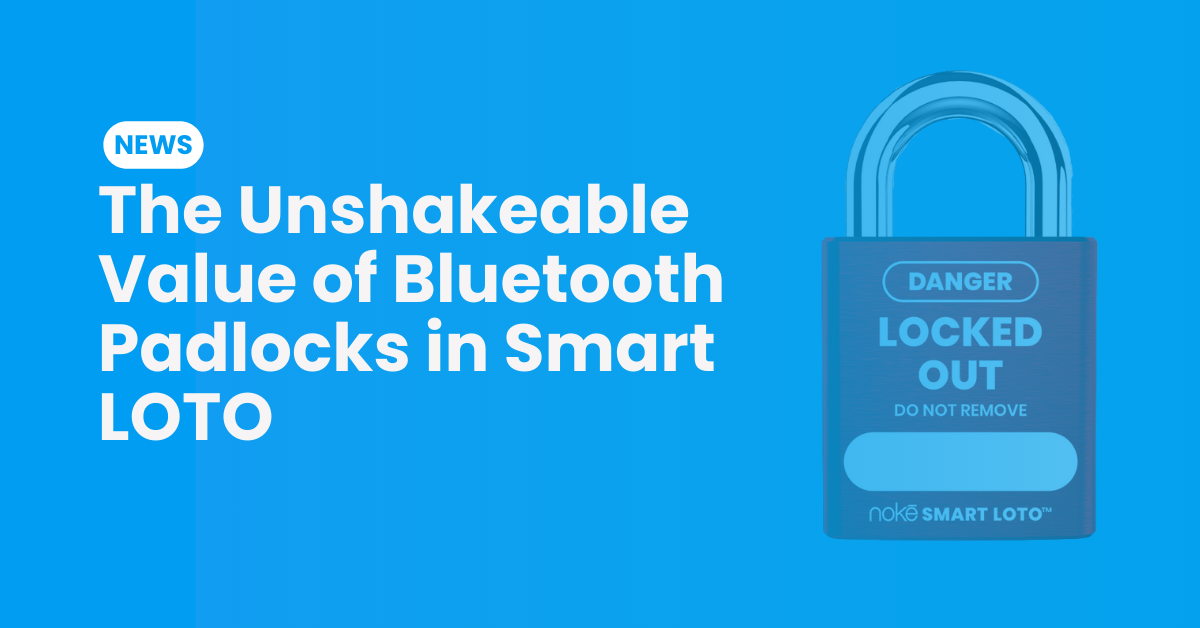
The Unshakeable Value of Bluetooth Padlocks in Smart LOTO (Lockout-Tagout)
The Shift to Smart Safety For decades, Lockout-Tagout (LOTO) procedures have been the gold standard for protecting workers from the unexpected startup or release of stored energy during maintenance and service activities. While crucial, traditional mechanical LOTO processes can be slow, complex, and sometimes prone to human error, especially in large-scale or remote operations. The modern industrial landscape demands smarter, more efficient, and more verifiable safety protocols. Enter Digital LOTO and its cornerstone hardware technology: Bluetooth Padlocks. These smart devices are revolutionizing how companies manage energy isolation, offering a leap forward in security, compliance, and operational efficiency. Decoding Digital LOTO and the Need for Connectivity Traditional LOTO relies on physical key management, manual paper trails, and visual verification—a process that can be cumbersome to audit and slow to scale. Digital LOTO transforms this process by leveraging smart devices, cloud software, and digital access control to streamline procedures and create an immutable record of all safety activities. To understand how this digital transformation works, you can explore the principles and implementation of modern safety systems here: Learn more about Digital Lockout-Tagout. The core value of a connected system lies in replacing physical keys with digital credentials, and the lynchpin of this system is the Bluetooth Padlock. The Core Value Proposition of Bluetooth Padlocks Bluetooth Padlocks are more than just a keyless lock; they are a critical piece of the Digital LOTO ecosystem, offering benefits that traditional hardware simply cannot match: Precise Access Control: Unlike a standard padlock, where a lost key compromises security, Bluetooth Padlocks allow administrators to grant, revoke, and schedule access instantly via a mobile app or central platform. Only authorized personnel—at the right time and in the right location—can secure or open a lock. Impeccable Audit Trails: Every use is logged automatically. This digital paper trail records who accessed the lock, when, and for how long. This feature is vital for demonstrating compliance to regulators and for performing analysis after any incident or near-miss. Durability for Industrial Environments: Products designed for LOTO are built tough. For example, the industrial-grade Noke HD LOTO padlock combines heavy-duty construction with sophisticated smart technology, ensuring reliability in the harshest maintenance environments. Learn more about the Noke HD LOTO here. Enhanced Safety and Regulatory Compliance The shift to Bluetooth Padlocks within a Digital LOTO framework fundamentally improves safety compliance. Minimizing Human Error: By automating access and logging, the system reduces the potential for key misuse, forgotten sign-offs, or procedural shortcuts. The system ensures adherence to strict LOTO sequences before equipment can be safely re-energized. Faster Lock Removal: In emergency situations, remote management allows supervisors to quickly verify the status of a lock and, if necessary, grant remote access for removal, significantly reducing equipment downtime and potential bottlenecks. Clear Chain of Custody: The automatic logging creates an undeniable chain of custody for every isolation point, eliminating ambiguity about which worker is responsible for which lock, which is critical during shift changes and group LOTO scenarios. Conclusion The industrial world is becoming smarter, and safety protocols must evolve to keep pace. Bluetooth Padlocks are proving to be an indispensable asset, providing the secure, verifiable, and efficient foundation necessary for robust Digital LOTO programs. By adopting this smart technology, organizations are not just investing in modern locks; they are investing in superior safety, bulletproof compliance, and streamlined operations—ensuring every worker returns home safely, every time.
Lockout-Tagout (LOTO): The Key to a Safer Workspace
If you’re a business owner, a safety manager, or an employee working with machinery, understanding LOTO is both a legal and ethical obligation. In this guide, we’ll simplify Lockout-Tagout by breaking down what Lockout-Tagout is, why it’s so important, and how digital solutions are revolutionizing the way businesses approach LOTO. What is Lockout-Tagout (LOTO)? At its core, Lockout-Tagout is a safety procedure used to ensure that dangerous machines are properly shut down and cannot be restarted prior to the completion of maintenance or repair work. It’s a method of controlling hazardous energy. Think about the sheer number of moving parts, electrical circuits, hydraulic systems, and pneumatic lines in a factory or workshop. Each of these can store and release energy, and if that energy is unexpectedly released while a worker is performing maintenance, the results can be deadly. LOTO is a safety solution comprised of two parts: Lockout: This involves placing a physical lock on an energy-isolating device (like a circuit breaker or a valve). This lock prevents anyone from re-energizing the machine until the lock is removed. Each authorized employee performing the work will have their own personal lock and key. Tagout: This involves attaching a tag to the device that has been locked out. The tag serves as a clear warning to others that the machine is undergoing maintenance and should not be operated. The tag typically includes information such as the name of the person performing the work, the date, and the reason for the lockout. Together, the lock provides the physical security, and the tag provides the visual communication and accountability. Why is LOTO So Important? The Dangers of Uncontrolled Energy You might be asking, “Is LOTO really necessary for my operations?” The answer is a resounding “Yes.” The statistics and real-world examples of accidents linked to uncontrolled hazardous energy are sobering. Common types of hazardous energy include: Electrical: The most common and most dangerous. A machine can be turned off, but residual electricity can still cause severe shock or electrocution. Mechanical: Stored energy in springs, flywheels, or pressurized systems can be released unexpectedly, risking severe injuries. Hydraulic and Pneumatic: Pressure built up in fluid or air lines can be released, which could cause components to move suddenly and with great force. Chemical: Stored chemicals in pipes can be released, leading to burns or toxic exposure. Thermal: Extremely hot or cold surfaces and materials can cause severe burns or frostbite. Without a proper LOTO program, a worker performing a simple repair could face a sudden start-up of equipment, the unexpected release of stored energy, or an electrical shock. These accidents can lead to detrimental physical consequences. The Evolution of LOTO: Introducing Smartlox While traditional LOTO methods have been effective for decades, they often rely on manual, paper-based processes. This can lead to human error, missed steps, and a lack of real-time visibility into who is working on what. This is where Smartlox comes in. As a leader in smart safety technology, Smartlox takes the proven principles of LOTO and integrates them with modern digital solutions to create a more robust, efficient, and transparent safety system. How does Smartlox elevate your LOTO program? Digital Procedures: Instead of relying on printed checklists, Smartlox provides digital, step-by-step LOTO procedures accessible on a mobile device. This ensures consistency and guides employees through the process, leaving no room for error. Real-Time Tracking & Auditing: Smartlox’s smart locks and accompanying software provide a live view of all active lockouts. You can instantly see who is working on a specific machine, when the lockout started, and when it was completed. This real-time data is invaluable for safety managers and auditors. Enhanced Communication: The Smartlox platform facilitates better communication between team members, ensuring everyone is aware of an ongoing lockout and preventing unauthorized access to machinery. Data-Driven Insights: Smartlox collects data on your LOTO activities, allowing you to analyze trends, identify potential risks, and continuously improve your safety protocols. This moves you from a reactive to a proactive safety strategy. Benefits of Implementing a Smart LOTO Program Beyond the standard benefits of a LOTO program, integrating a smart solution like Smartlox offers unique advantages for your business: Reduced Risk of Human Error: The guided digital procedures minimize the chance of a worker forgetting a critical step. Increased Accountability: With personal accounts and a digital log of every action, accountability is crystal clear. Streamlined Auditing: Digital records make it easy to demonstrate compliance with regulations like OSHA, saving you time and effort during safety audits. Boosted Operational Efficiency: A more efficient and reliable LOTO process reduces the time it takes to prepare for and complete maintenance, minimizing downtime. Smartlox’s Smarter Lockout-Tagout Lockout-Tagout is not a one-time task; it’s an ongoing commitment to safety. By understanding its purpose, implementing a robust program, and leveraging the power of smart solutions like Smartlox, you’re not just complying with regulations—you’re building a safer, more efficient, and more productive workplace. Embrace the future of industrial safety. Invest in a strong LOTO program and the technology that supports it, ensuring that every worker who enters your facility goes home safe at the end of the day. Want to learn more about Digital LOTO? Request A Consultation
Revolutionizing Safety: Why Digital Lockout-Tagout is a Game-Changer for Amusement & Recreation
In the thrilling world of amusement parks and recreation facilities, the magic often lies behind the scenes – in the meticulous maintenance and rigorous safety protocols that keep the fun flowing. Among these, Lockout-Tagout (LOTO) procedures are paramount, safeguarding workers from unexpected equipment startup or the release of hazardous energy during servicing. But in an industry that thrives on innovation and efficiency, are traditional, paper-based LOTO methods truly keeping pace? It’s time to talk about Digital Lockout-Tagout – a modern solution that’s not just an upgrade, but a complete transformation for safety and operational excellence in amusement and recreation. Traditional Safety Standards at Amusement Parks Rides are constantly in motion, attractions require regular checks, and maintenance teams are always on the go. Relying on physical locks, paper, and manual record-keeping in such a dynamic environment can lead to: Human Error: Misplaced tags, illegible handwriting, or forgotten steps can have severe consequences. Inefficiency: Searching for correct procedures, manually updating records, and coordinating multiple teams consumes valuable time, leading to increased downtime for attractions. Compliance Headaches: Auditing paper trails is time-consuming and prone to gaps, making it harder to demonstrate adherence to safety programs and OSHA’s Control of Hazardous Energy (Lockout/Tagout) Standard (29 CFR 1910.147). Enter Digital Lockout-Tagout: A New Era of Safety and Risk Management Digital Lockout-Tagout takes the essential principles of LOTO and elevates them with technology. It shifts your entire program to a centralized, accessible, and dynamic digital platform, leveraging mobile apps, QR codes, and cloud-based software. Here’s how it’s revolutionizing the industry: 1. Unmatched Safety & Risk Management Precision and Clarity: Digital procedures offer step-by-step instructions with integrated photos, videos, and diagrams, leaving no room for ambiguity. This significantly reduces human error, a critical component of any robust safety program. Real-time Visibility: Supervisors and technicians gain instant insight into the status of all locked-out equipment. Who is working on what? Is the equipment truly de-energized? This real-time awareness prevents accidental re-energization and enhances overall safety. Improved Communication: Digital platforms foster seamless communication between maintenance, operations, and management, ensuring everyone is on the same page regarding equipment status and safety protocols. 2. Boosting Operational Efficiency Streamlined Workflows: Automate tasks from procedure creation to permit approvals. This drastically cuts down administrative time, allowing your teams to focus on critical maintenance. Reduced Downtime: Faster, more accurate LOTO procedures mean equipment is back online sooner. In the amusement industry, every minute a ride is operational translates directly to guest satisfaction and revenue. Mobile Accessibility: Technicians can access procedures directly at the equipment via tablets or smartphones, even offline. Imagine scanning a QR code on a ride and instantly pulling up the exact LOTO procedure, complete with visuals. 3. Simplified Compliance and Auditing Automated Record-Keeping: Every Lockout-Tagout activity is digitally logged, creating a comprehensive and undeniable audit trail. This is crucial for demonstrating compliance with OSHA regulations. Effortless Audits: Generate detailed reports instantly, making internal and external compliance audits a breeze. Dynamic Updates: Procedures can be updated in real-time across all devices, ensuring your entire team always has the most current and compliant information. Key Features to Look for in a Digital LOTO Solution: When considering a Digital Lockout-Tagout solution for your amusement or recreation facility, prioritize features that offer: Centralized Procedure Management: A single source of truth for all LOTO procedures. Intuitive Mobile Applications: User-friendly apps for technicians in the field. Digital Permit-to-Work Systems: Streamlined approval processes. Real-time Dashboards & Reporting: For oversight and continuous improvement. Embrace the Future of Safety The amusement and recreation industry is all about creating unforgettable experiences. By adopting Digital Lockout-Tagout, you’re not just enhancing safety; you’re optimizing operations, ensuring compliance, and ultimately, contributing to a more seamless and enjoyable experience for everyone. Explore Digital Lockout-Tagout solutions today and see how they can benefit your facility.
Ski Lift Digital LOTO — Elevating Safety on the Slopes
The mountain environment is dynamic and demands uncompromising safety. For ski lift operations, ensuring the seamless flow of guests while maintaining complex machinery is a delicate balance. Yet, many resorts still rely on traditional, analog Lockout-Tagout (LOTO) procedures – methods that, while established, often create friction and introduce risks that can impact both safety and the guest experience.
At Smartlox, we’re bringing innovation to the peaks. We believe it’s time to elevate safety on the slopes with our comprehensive Digital LOTO solution.